01
Integrated Digital Mobility Infrastructure
Unifies systems, data, and processes across contracts, fleet, maintenance, billing, compliance, and customer operations.
Project Proposal · May 2026
IFMAP
An integrated framework combining operational automation, data intelligence, AI-assisted analytics, and structured governance to modernize fleet mobility operations.
João Felipe Frazão de Souza Leão
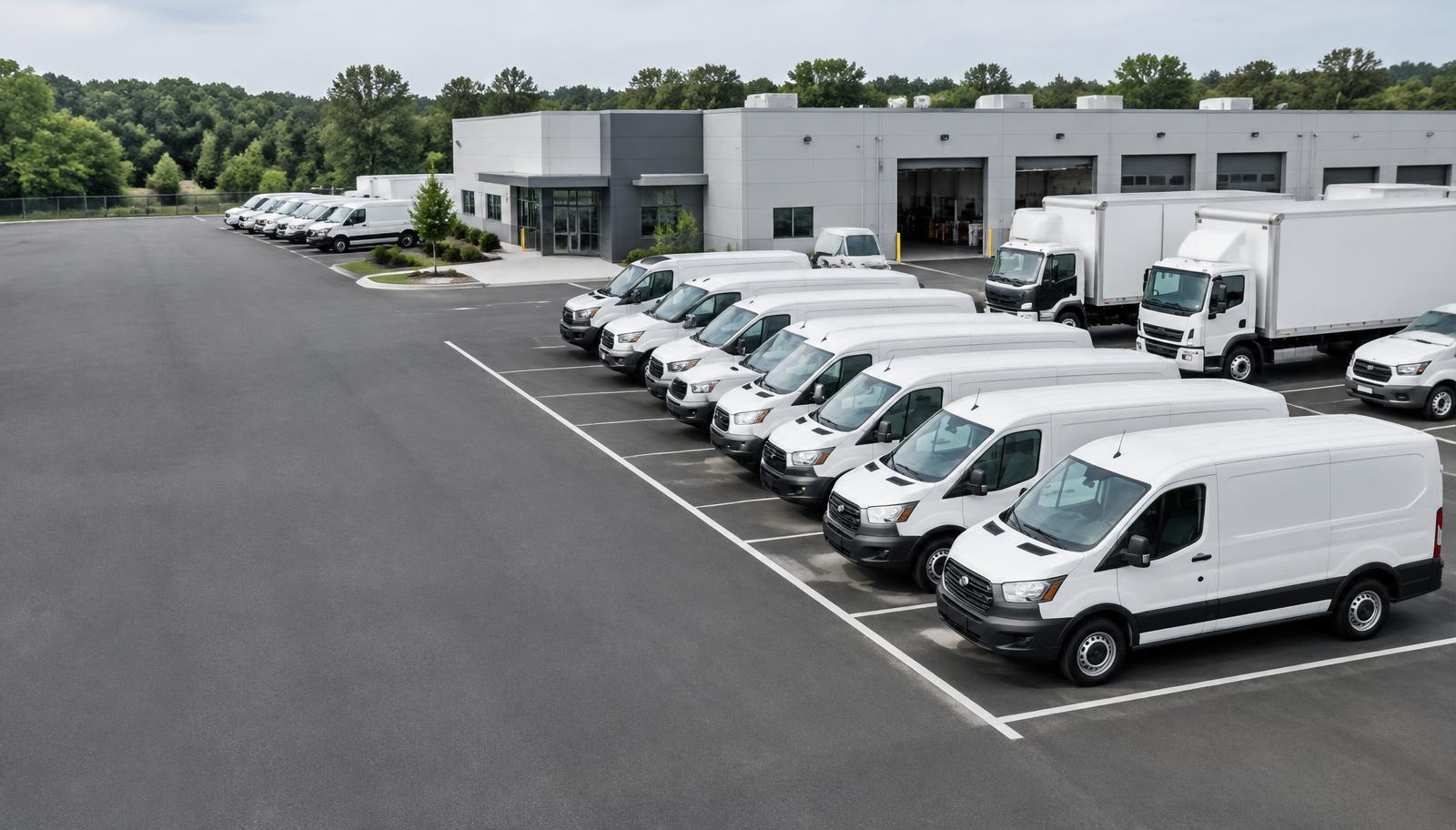
Explore the frameworkIllustrative image · Proposed initiative for US fleet mobility
01 / The challenge
The proposal addresses interconnected operational challenges in US fleet mobility environments.
02 / The vision
A modular, cloud-ready infrastructure designed to connect operational events, financial records, and service activities through interoperable systems.
IFMAP
Interoperability · Workflow orchestration · Traceability · Scalable architecture
03 / Architecture
A connected progression from shared infrastructure to sustainable execution.
Unifies systems, data, and processes across contracts, fleet, maintenance, billing, compliance, and customer operations.
Automates high-volume workflows with configurable rules, prioritization, and validation to improve speed, accuracy, and efficiency.
Provides real-time insights, analytics, and AI-assisted intelligence to support decisions and continuous improvement.
Builds compliance, traceability, accountability, and scalable operations through standardized controls and structured governance.
04 / Expected impact
Projected Outcomes — Based on the IFMAP Framework
60–80%
Reduction in system fragmentation
70–90%
Improvement in operational visibility
40–60%
Reduction in cross-departmental delays
70–85%
Reduction in data inconsistencies
>10,000
Traffic violations processed per hour
60–80%
Reduction in billing reconciliation time
15–30%
Improvement in fleet utilization
These are proposal estimates, not verified results of a deployed IFMAP platform or guarantees. Actual results depend on implementation conditions, baseline process maturity, workforce capability, industry segment, and organizational context.
Source: IFMAP proposal, May 2026, prospective-impact table. The proposal attributes its estimates to Custom Market Insights (U.S. Fleet Management Market Report), StartUs Insights (Fleet Management Industry Report), Getac (Trends and Challenges in Vehicle Fleet Management), and prior methodological experience; these benchmarks have not been independently verified here.
05 / Proposed implementation
Five proposed phases. Progression depends on assessment and validation, not fixed deployment commitments.
Assess operational environments to identify bottlenecks, fragmented systems, duplicated activities, data inconsistencies, and operational risks.
Consolidate operational systems, connect enterprise and financial platforms, and establish modular, cloud-ready digital infrastructure.
Introduce automated workflows, operational intelligence, business intelligence, and AI-assisted analytics to support better operational decisions.
Establish standardized procedures, governance routines, training, and knowledge transfer so internal teams can sustain operations.
Adapt validated solutions for additional mobility operators and related transportation sectors while preserving stability and controls.
06 / Professional foundation
Prior professional projects provide practical and methodological foundations; they are separate from the proposed future IFMAP initiative.
Phased migration, integration of core journeys, and data-driven operational management.
Read case studyHigh-volume processing, validation, traceability, and operational workflow redesign.
Read case studyConnected credit, onboarding, billing, fleet activation, and support journeys.
Read case studyStructured requirements, product decisions, and methodology-supported team coordination.
Read case studyIntegration of production, logistics, financial, and operational processes.
Read case studyThese links describe previous professional work, not IFMAP deployments. No endorsement, funding, or implementation commitment by previous employers, customers, or partners is implied.
07 / Broader contribution
The initiative aims to strengthen the digital and operational foundations of fleet-dependent industries.
Intended contributions, not claims of economic impact already generated in the United States.
08 / Project document
The complete proposal will be available here once the approved public PDF is supplied.
IFMAP / Next conversation
Exploring how integrated platforms, automation, and operational intelligence can strengthen the future of fleet mobility.